









Working from home has become a common part of many people’s lives. Whether you’re freelancing, running a business, or simply need a dedicated spot to focus, having a cozy and productive home office can make a big difference. In this post, we’ll explore practical tips to help you create a workspace that balances comfort and efficiency.
Why a Well-Designed Home Office Matters
Your environment plays a crucial role in how you feel and work. A cluttered or uncomfortable space can lead to distractions and stress, while a well-thought-out office promotes focus and creativity. When you design your home office with both coziness and productivity in mind, you set yourself up for success.
Choosing the Right Location
Find a Quiet, Low-Traffic Area
Select a spot away from household noise and distractions. If possible, choose a separate room or a corner that feels private. This helps you mentally separate work time from personal time.
Consider Natural Light
Position your desk near a window to enjoy natural light. Sunlight improves mood and reduces eye strain. If natural light is limited, use balanced artificial lighting to create a bright work environment.
Invest in Comfortable Furniture
Ergonomic Chair and Desk
Comfort is key to staying focused for long periods. Invest in an ergonomic chair that supports your posture and a desk at a comfortable height. Adjustable furniture can accommodate different tasks and body positions.
Add Personal Touches
Incorporate cozy elements like a soft rug, pillows, or a throw blanket. These details make your office inviting, encouraging you to spend more time there.
Organize Wisely
Declutter Your Workspace
Keep only essential items on your desk to minimize distractions. Use cable organizers to manage cords and prevent tangling.
Storage Solutions
Use shelves, drawers, or filing cabinets to keep supplies and documents neatly stored. Label containers to make finding things easier.
Create a Calming Color Scheme
Colors affect mood and productivity. Soft neutrals like beige or light gray create a calm atmosphere, while blue tones can enhance focus. Avoid overly bright or distracting colors.
Incorporate Greenery
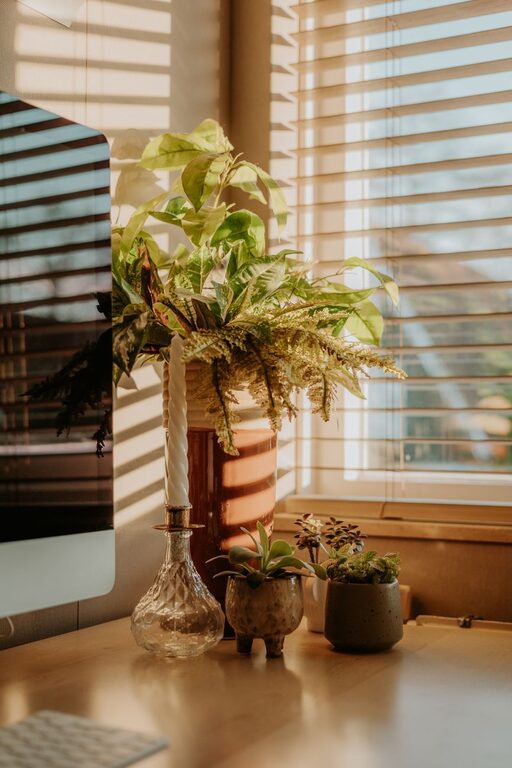
Adding plants to your workspace can boost mood and air quality. Choose low-maintenance plants like succulents or pothos that thrive indoors with minimal care.
Manage Noise Levels
If your office is not soundproof, consider noise-cancelling headphones or white noise machines to reduce distractions. Soft background music can also help some people concentrate.
Maintain Good Air Quality
Ensure your workspace is well-ventilated. Fresh air can reduce fatigue and improve concentration. If opening windows isn’t an option, consider an air purifier.
Use Technology to Boost Efficiency
Organize Digital Files
Keep your computer desktop and folders tidy to avoid digital clutter. Use cloud storage for easy access and backup.
Set Up Task Management Tools
Use apps or planners to keep track of deadlines and priorities, reducing stress and enhancing productivity.
Set Boundaries and Routine
Establish clear work hours and communicate them with anyone sharing your home. Having a routine helps your mind switch into work mode and keeps personal and professional life balanced.
Personalize Without Overdoing It
Decorate with a few meaningful items like photos, artwork, or motivational quotes. They add personality without creating distractions.
Take Breaks and Move Around
Even the comfiest office can become tiring if you stay seated all day. Schedule short breaks to stretch or walk around to refresh your mind and body.
—
Creating a cozy and productive home office doesn’t require a big budget or complicated renovations. With thoughtful choices in location, furniture, lighting, and organization, you can design a space that supports both comfort and focus. Start small, personalize your space, and enjoy the benefits of a well-crafted home office.