







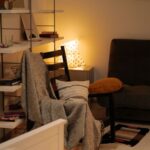


Creating a home office that feels both cozy and productive can make a big difference in your work-from-home experience. Whether you’re setting up a dedicated room or a corner in your living space, the right environment can help you stay focused and motivated. Here are practical tips to help you design a home office that works for you.
1. Choose the Right Location
Find a Quiet Space
Pick a spot in your home with minimal distractions and noise. Avoid high-traffic areas if possible, so you can concentrate without interruptions.
Consider Natural Light
Position your desk near a window to take advantage of natural light. Sunlight can improve your mood and energy throughout the day. If natural light is limited, invest in good quality task lighting.
2. Invest in Comfortable Furniture
Select an Ergonomic Chair
A comfortable, supportive chair is essential for long work hours. Look for one that supports your lower back and encourages good posture.
Opt for the Right Desk Height
Choose a desk that fits your body size and allows your arms to rest at a 90-degree angle when typing. Adjustable desks can be a bonus if you want to alternate between sitting and standing.
3. Organize for Efficiency
Keep Your Desk Clutter-Free
A tidy workspace helps reduce stress and distractions. Use trays, organizers, or drawers to keep papers and supplies out of sight but within reach.
Use Shelving and Storage Solutions
Wall-mounted shelves or filing cabinets can free up desk space and keep important materials organized.
4. Personalize Your Space
Add Warm Textures and Colors
Incorporate soft rugs, cushions, or curtains to introduce warmth and comfort. Choose colors that make you feel calm and inspired.
Display Personal Items
Photos, artwork, or plants can make your workspace feel welcoming and uniquely yours. Just be careful not to overcrowd the space.
5. Manage Technology Wisely
Ensure Reliable Connectivity
Invest in good internet service and position your router to minimize connectivity issues.
Organize Cables
Use cable organizers or clips to keep cords neat and prevent tangling, which can be distracting.
Choose the Right Equipment
Select monitors, keyboards, and other devices that reduce eye strain and physical discomfort.
6. Control Lighting and Ambiance
Combine Lighting Sources
Use a mix of overhead, task, and ambient lighting to reduce eye strain and create a warm atmosphere.
Add Adjustable Light Options
Desk lamps with adjustable brightness help you customize lighting based on the time of day and tasks.
7. Incorporate Greenery
Plants can purify the air and boost your mood. Choose low-maintenance options like succulents or snake plants if you don’t have a green thumb.
8. Create Boundaries
Set Physical Boundaries
Clear separation between your workspace and living area helps maintain focus and work-life balance.
Use Visual Dividers
Room dividers or curtains can help define your office nook in open floor plans.
9. Incorporate Movement
Keep reminders to stand, stretch, or take short breaks. A small mat for stretches or a standing desk option encourages physical activity throughout the day.
10. Keep Comfort in Mind
Maintain a Comfortable Temperature
Use a fan, heater, or air purifier to keep the temperature and air quality pleasant.
Dress for Comfort
Wear comfortable clothing that suits your workspace environment and keeps you feeling relaxed.
—
Designing a cozy and productive home office takes time and attention, but the benefits are well worth the effort. By following these tips, you can create a space that supports your best work while making your day more enjoyable. Remember, your home office should reflect your personal style and work habits — don’t be afraid to experiment and adjust as you learn what works best for you.